
Relocating an office is one of the most complex projects a business can undertake. Beyond simply moving furniture, it requires aligning multiple suppliers, contractors, and schedules, all while keeping day-to-day operations running smoothly. Yet despite careful planning, many relocations experience unexpected setbacks: delays in fitout completion, delivery conflicts, or building access limitations.
These challenges reveal a simple truth, successful relocations depend less on how much is moved, and more on how well everything is coordinated. Structured planning and real-time oversight are what separate a smooth transition from a costly disruption.
Challenge #1: Overlapping Timelines Between Fitout and Move-In
One of the most common causes of relocation delays is the misalignment between fitout completion and the move-in schedule. Furniture, fixtures, or IT equipment often arrive before construction and installation work is finished, creating congestion, safety risks, and the need for costly re-deliveries.
Preventing this requires a sequencing plan that connects construction milestones with logistics timelines. Clear communication between contractors, suppliers, and delivery teams ensures that every component arrives when the site is truly ready. Structured rollout planning helps avoid double handling, site clutter, and unnecessary downtime during the final transition.
Challenge #2: Managing Multiple Vendors and Stakeholders
Office relocations typically involve several independent parties, from interior designers and fitout contractors to furniture suppliers, IT specialists, and movers. Without a central coordination point, these teams often operate on separate schedules, leading to missed deadlines or duplicated work.
A unified project plan brings everyone onto the same page. Centralised scheduling, regular progress reviews, and shared communication channels create visibility across all vendors. When every stakeholder understands how their timeline connects to the others, execution becomes smoother and more predictable, even across large, multi-floor or multi-site relocations.
Challenge #3: Limited Access and Site Constraints
Office buildings typically impose specific constraints that impact logistics timing and delivery efficiency. These might include narrow delivery windows, single loading docks, elevator scheduling, and very limited on-site storage space.
When trucks arrive early and there’s no access, pallets pile up at the dock; when they arrive late, installers sit idle and deadlines slip. As one logistics guide notes, dock congestion and uncertain scheduling “are closely related … they all lead to higher costs, are a drag on the efficiency of your dock, and will likely impact service to your customers.”
The impact for an office relocation is similar: furniture, IT racks, or cabinetry arrive but can’t be off-loaded; or they’re scheduled too late and installation crews wait. Mitigating this requires early coordination with building management, clear scheduling of delivery windows, and a logistics partner who understands how to sequence trucks, manage lift access, and stage goods for on-time delivery.
Challenge #4: Handling High-Value and Sensitive Assets
Moving an office often involves more than desks and chairs: high-end furniture, bespoke joinery, large-format digital screens, sensitive IT hardware or even secure records. These assets demand specialist handling, careful packaging, tracked transport and precise delivery timing.
As reported in industry guidance on high-value cargo: “High-value cargo transportation requires utmost attention to safety and security throughout the journey … These items demand special care and protection during transportation.”
Without such attention, the risks include damage, theft, or arrival at a store before the site is ready, leading to re-deliveries or asset write-offs. A best-practice approach involves dedicated transport assets, real-time tracking of shipments, and coordination with site readiness so high-value items are delivered when the location is ready to receive them, not when they simply “can” arrive.
Challenge #5: Lack of Real-Time Coordination During Execution
Even the most detailed relocation plan can fall apart if execution lacks real-time coordination. When updates are managed through scattered emails or spreadsheets, information gaps quickly emerge, trucks arrive unscheduled, installation crews wait for deliveries, and decision-makers react after problems have already occurred.
In complex relocations, visibility equals control. Real-time coordination allows project teams to see exactly where every asset, vehicle, and task stands, enabling proactive adjustments before delays escalate.
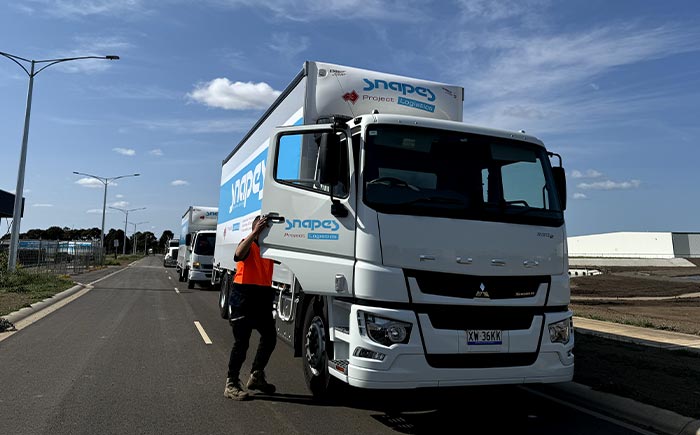
With extensive experience managing multi-site fitouts and commercial relocations, Snapes applies structured communication protocols and project tracking systems to maintain this visibility from dispatch to delivery. Every update, from supplier pickup to final placement, flows through one coordinated framework, keeping the project on schedule, aligned, and transparent from start to finish.
Turning Challenges into a Managed Transition
Every office relocation carries risk, overlapping schedules, supplier dependencies, limited access, and fragile assets all have the potential to disrupt timelines. But with the right structure, these challenges can be managed rather than endured.
A successful relocation isn’t defined by how fast items are moved, but by how well every stage is coordinated. Centralised planning, phased deliveries, and clear communication turn complex transitions into predictable outcomes.
Drawing on decades of experience in fitout and relocation logistics, Snapes helps businesses approach office moves with the same discipline as large-scale rollouts, guided by systems, visibility, and precision. The result is not just a new office space, but a relocation completed on time, on budget, and without unnecessary disruption.
Planning an office relocation or fitout project? Ensure a smooth transition from planning to delivery with structured logistics and coordinated project management.