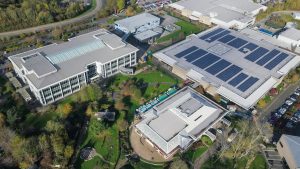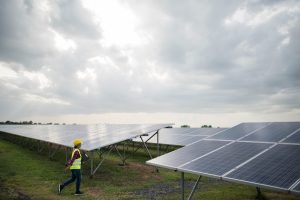


Snapes supports renewable energy operators, EPC contractors, importers, and project teams moving heavy freight and project equipment across Australia.
For renewable energy projects, freight movement is rarely simple. Solar panels, batteries, inverters, switchgear, mounting systems, and supporting equipment may need to be stored, staged, handled, transported, and delivered according to strict project timelines.
This is why heavy freight should be treated as part of project execution, not just a transport task.
The equipment may be large, heavy, sensitive, high-value, or difficult to reposition once delivered. If site access, unloading conditions, delivery timing, or handling requirements are not planned early, the project may face delays before installation even begins.
Snapes helps connect warehousing, freight handling, transport planning, and site delivery so renewable energy equipment can move through Australia with greater control and execution readiness.
Key Takeaways
- Snapes supports renewable energy operators with complex freight and project logistics execution across Australia.
- Heavy freight in renewable energy projects requires specialist logistics planning.
- Solar, battery, inverter, switchgear, and project equipment may involve different handling requirements.
- Site access, unloading conditions, and delivery timing should be confirmed before dispatch.
- Warehousing and staging help prepare equipment before project site delivery.
- Sensitive and high-value energy equipment needs controlled handling.
- Site delivery must align with installers, contractors, and project milestones.
- A specialist logistics partner helps reduce risk across planning, staging, handling, transport, and delivery.
Why Heavy Freight Creates Project Delivery Risk
Heavy freight creates risk because the margin for error is smaller.
A standard delivery issue may cause inconvenience. A heavy freight issue can create failed delivery, unsafe unloading, equipment damage, rebooking costs, site congestion, or installation delays.
| Heavy Freight Challenge | What Happens | Project Impact |
| Oversized dimensions | Equipment may not fit standard transport or access conditions | Requires vehicle, route, and site planning |
| Heavy weight | Cargo may need lifting equipment or specialist handling | Unsafe or delayed unloading if not planned |
| Site access constraints | Project sites may have limited entry, surface, or unloading space | Failed delivery or rebooking risk |
| Sensitive equipment | Batteries, inverters, and switchgear may need careful handling | Damage can affect installation readiness |
| Wrong delivery timing | Equipment arrives before the site is ready | Storage pressure or site congestion |
| Poor sequencing | Components arrive in the wrong order | Installation teams may wait or rehandle goods |
These risks usually come from misalignment between cargo requirements, site conditions, and project timing.
Heavy freight delivery needs to be planned around the equipment, not forced into a standard freight process.
Planning Heavy Freight Before It Moves
Heavy freight planning should begin before goods are dispatched.
The first step is understanding the cargo profile. Project teams need clear information on weight, dimensions, packaging condition, centre of gravity, sensitivity, and unloading requirements. These details influence vehicle selection, equipment planning, site access checks, and delivery timing.
For renewable energy projects, this planning is especially important because equipment often needs to arrive in line with installation milestones.
If a battery unit, inverter, or switchgear component arrives without the right unloading equipment or access approval, the issue can delay more than one delivery. It can affect the next phase of work on-site.
The planning principles in Heavy Goods Logistics: What Businesses Need to Plan Before Shipping Large Cargo are directly relevant for renewable energy equipment, especially when cargo dimensions, weight, handling needs, and site conditions shape the delivery plan.
For heavy freight, the safest and most efficient delivery usually starts with better information before movement begins.
Warehousing and Staging for Renewable Energy Equipment
Renewable energy equipment does not always move directly from supplier or port to site.
Project sites may not be ready to receive freight immediately. Equipment may arrive in different batches. Some components may need to be checked, consolidated, labelled, or staged before final delivery.
This is where warehousing becomes a project control point.
Snapes’ 3PL Warehousing & Storage Australia service supports warehousing, inventory management, storage, fulfilment, distribution, and integration with logistics systems. For renewable energy projects, this can help turn mixed inbound equipment into organised, site-ready freight.
Staging can be arranged by project site, installation phase, equipment type, route, or delivery sequence. This helps reduce unnecessary rehandling and lowers the risk of equipment arriving before the site is prepared.
Warehouse visibility also helps project teams understand what has arrived, what is ready, and what still needs to be prepared for dispatch.
For heavy freight, storage is not just about holding equipment. It is about preparing equipment for controlled site delivery.
Handling Heavy, Sensitive, and High-Value Energy Equipment
Renewable energy freight often combines size, weight, sensitivity, and asset value.
Battery systems may be heavy and require careful movement. Inverters and switchgear may be dense and damage-sensitive. Solar panels may not always be the heaviest item, but they still require careful handling because their condition matters at installation.
The handling approach should match the cargo profile.
Snapes’ Project Logistics & Complex Freight Management capability covers demanding logistics requirements, including specialist handling for delicate equipment, sensitive items, and high-value goods that need additional protection during transit.
This matters because damage does not only happen on the road. Freight can be exposed during unpacking, warehouse movement, loading, unloading, staging, and final placement.
For high-value equipment, Protecting High-Value Assets During Transport and Delivery reinforces why asset protection should be planned across the full logistics process, not only during transport.
The objective is to reduce unnecessary touchpoints, protect equipment condition, and keep freight ready for installation.
Coordinating Site Delivery for Energy Project Locations
Site delivery is where heavy freight logistics becomes project execution.
Renewable energy project sites can vary widely. Some deliveries may go to commercial buildings or warehouses. Others may go to infrastructure sites, regional areas, construction zones, or restricted-access locations.
Each site may have different requirements for vehicle access, unloading space, safety procedures, delivery windows, and receiving teams.
Before dispatch, project teams should confirm:
- Whether the site is ready to receive the equipment
- What unloading equipment is available
- Where the freight should be placed
- Who will receive and check the delivery
- Whether delivery needs to follow an installation sequence
- Whether there are access, safety, or timing restrictions
Snapes’ Transport & Last-Mile Delivery Service Australia supports domestic freight, scheduled deliveries, specialised handling, and last-mile logistics across Australia. For renewable energy projects, this local delivery capability helps connect warehouse preparation with the final site requirement.
When site delivery is coordinated properly, heavy freight arrives as part of the project plan, not as a disruption to it.
How Snapes Supports Complex Freight and Project Management
Snapes supports renewable energy project operators with complex freight and project logistics across Australia.
This support can include planning, supplier coordination, warehouse intake, staging, specialist handling, transport scheduling, multi-site delivery, and final site coordination.
The value comes from connecting these steps into one managed process.
Snapes’ Renewable Energy & Solar Logistics Australia capability is designed for solar, battery, inverter, and project equipment, including import management, staged warehousing, phased delivery, and project coordination across Australia.
For complex renewable energy projects, this type of support helps reduce fragmented provider management. Instead of coordinating separate teams for storage, handling, delivery, and site communication, project operators can work with a logistics partner that understands how heavy freight affects project execution.
Snapes helps bring structure to the movement of heavy, sensitive, and high-value energy equipment from warehouse to site.
Renewable Energy Heavy Freight Needs Specialist Execution
Heavy freight in renewable energy projects requires more than standard transport.
Equipment size, weight, sensitivity, site access, unloading conditions, and installation timing all affect delivery success. If these elements are not coordinated, project teams may face failed deliveries, rehandling, equipment damage, safety concerns, or installation delays.
A specialist logistics approach helps reduce these risks.
By connecting planning, warehousing, staging, handling, transport, and final site delivery, Snapes helps renewable energy operators manage heavy freight with greater control across Australia.
For project operators looking for specialised Australian execution, the right logistics partner should be able to manage both the freight and the project conditions around it.
Deliver Heavy Renewable Energy Equipment with Greater Control
Heavy freight for renewable energy projects requires more than standard transport. Equipment must be planned, staged, handled, and delivered in line with site access, unloading conditions, installation schedules, and project milestones.
Snapes supports renewable energy operators with complex freight and project logistics across Australia, helping heavy, sensitive, and high-value equipment move from warehouse to site with greater control.
Connect with Snapes to explore logistics support for heavy renewable energy freight and project site delivery across Australia.