
Need immediate assistance?


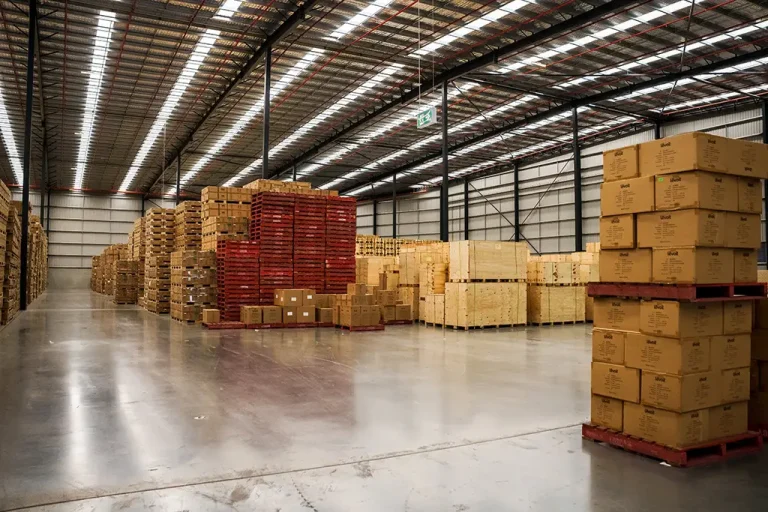
Containers unloaded, inspected, processed and stored at our dock-height warehouse facilities.
Container unpacking and devanning is the process of unloading, sorting, and processing goods from shipping containers after they arrive at a warehouse facility.
Snapes handles both floor-loaded and palletised containers, using manual labour and mechanical equipment as appropriate to the cargo. Once unloaded, goods are sorted, inspected for damage or discrepancies, labelled, and palletised for storage or onward dispatch.
This service sits between customs clearance (upstream) and warehousing or delivery (downstream), ensuring your imported goods are handled properly from the moment they leave the container.
This service is used by importers, freight forwarders, retailers, furniture suppliers, and any business receiving containerised freight into Australia.
Each container is handled according to its cargo type, condition, and your downstream requirements.
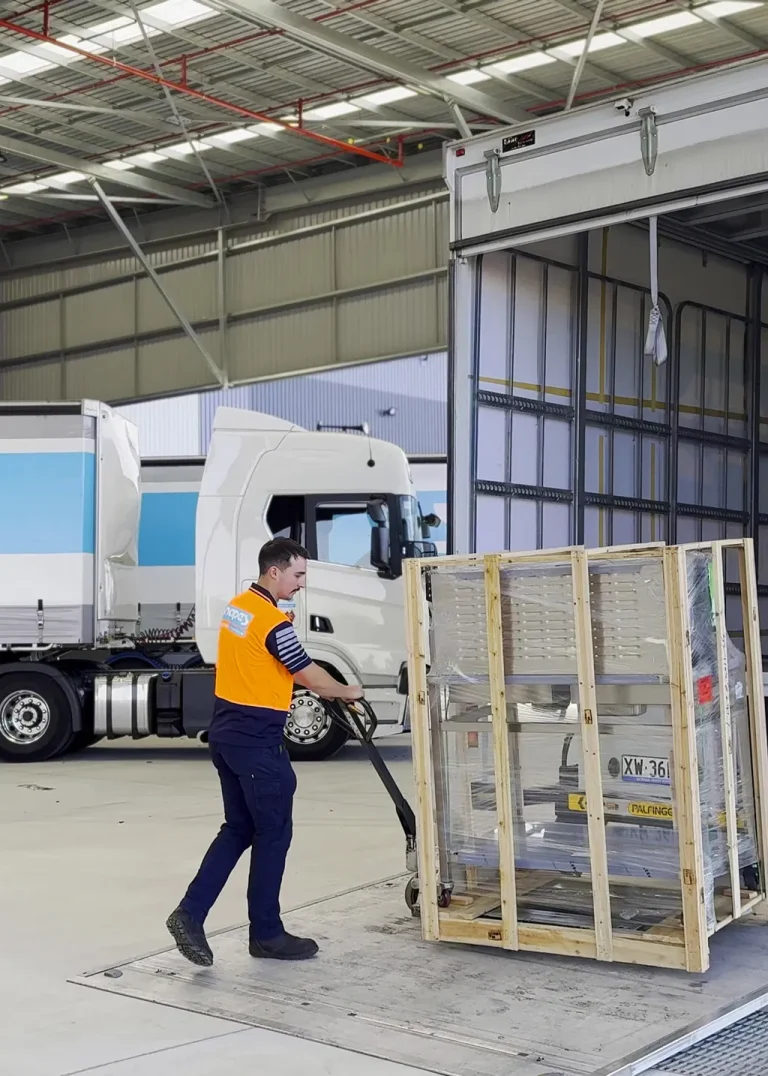
Containers are received at our dock-height facilities and unloaded using methods appropriate to the cargo - manual for floor-loaded goods, mechanical for palletised freight.
Manual unloading of loose-packed or floor-loaded containers, with goods sorted and stacked as they come out of the container.
Mechanical unloading of palletised containers using forklifts, with pallets moved directly to storage or staging areas.
Goods are sorted by SKU, order, or destination and inspected for damage, shortages, or discrepancies against the packing list.
Items are labelled, barcoded, and scanned into our warehouse management system for inventory tracking and order fulfilment.
Loose goods are palletised and stretch-wrapped for safe storage, handling, and onward transport.
Photographic records and condition reports are produced during unpacking to document the state of goods on arrival.
Where required, we coordinate quarantine inspections and fumigation treatment for containerised goods subject to Australian biosecurity requirements.

Every container follows a structured process from arrival at our facility through to storage or dispatch.
Containers are unloaded at purpose-built dock-height facilities designed for efficient container handling and cargo processing.
Our warehouse teams are experienced in handling a wide range of cargo types - from fragile furniture and fixtures to heavy equipment and palletised goods.
Goods are scanned into our warehouse management system during unpacking, giving you real-time inventory visibility from the moment items leave the container.
Photographic records and written condition reports document the state of your goods at the point of unpacking, providing an evidence trail for insurance or supplier claims.
Where Australian biosecurity requirements apply, we coordinate the necessary inspections and treatments as part of the unpacking process.
Goods move directly from container to warehouse storage without double-handling or transport between facilities - reducing damage risk and cost.


Container unpacking involves manual handling, time-sensitive turnaround, and cargo that has spent weeks in transit. Without a specialist provider, businesses commonly face:
Goods that survive weeks of ocean transit can be damaged during unloading if the crew lacks experience with the cargo type or uses inappropriate handling methods.
Without photographic and written documentation at the point of unpacking, it is difficult to identify when damage occurred or to support insurance and supplier claims.
Slow container turnaround - caused by scheduling delays, inadequate labour, or facility limitations - results in detention charges from the shipping line that add unplanned cost.
When containers are unpacked at one site and goods are then transported to a separate warehouse, the extra handling step increases damage risk, cost, and time.
If goods are not scanned into a system during unpacking, there is a gap in inventory visibility between customs clearance and warehouse receival.
Containers subject to biosecurity requirements can be held or rejected if quarantine inspections and treatments are not coordinated in advance of unpacking.
Snapes provides container unpacking and devanning services to Australian businesses across all sectors that receive goods in shipping containers.
Snapes operates from 7 locations across Australia, with dedicated warehouse and logistics infrastructure in key markets.
Warehouse & Logistics Depot Hub
Full FF&E warehousing, staging, and delivery operations for Victoria and surrounding regions.
Warehouse & Logistics Depot Hub
FF&E storage, staging, and delivery services covering New South Wales and the ACT.
Warehouse & Logistics Depot Hub
Warehouse and logistics hub servicing Queensland FF&E delivery and fitout projects.
Warehouse & Logistics Depot Hub
Western Australia warehouse and logistics operations for FF&E and commercial furniture.
Articles and resources on container handling, devanning best practices, and managing containerised freight into Australia.
Tell us about your container volumes, cargo type, and turnaround requirements. We will scope a solution that covers unpacking, inspection, and storage or onward delivery.
Devanning is the process of unloading goods from a shipping container. This includes removing cargo (whether floor-loaded or palletised), sorting, inspecting, and preparing it for storage or delivery.
Turnaround depends on the cargo type and container loading method. Floor-loaded containers with loose goods take longer than palletised containers. Snapes schedules receival and labour to match your container requirements.
Yes. Our warehouse crews manually unload floor-loaded containers, sorting and palletising goods as they come out of the container.
Where Australian biosecurity regulations apply, we coordinate the required inspections and treatments as part of the unpacking process. Goods subject to quarantine are managed before being released to storage.
Yes. Goods move directly from the container into our warehouse storage without needing transport to a separate facility. This eliminates double-handling and reduces cost.
Pricing is based on container size, cargo type, loading method (floor-loaded or palletised), and any additional requirements such as labelling, condition reporting, or quarantine coordination. Contact us for a quote.
Our team will be in touch shortly.
Need immediate assistance?
Tell us how we can reach you and our team will get in touch shortly.