Skip to content


Key Takeaways
- Container arrival is only one stage of the import workflow.
- Clearance, unpacking, warehouse intake and delivery should be connected.
- Devanning creates the first physical visibility point for imported goods.
- Warehouse intake turns unpacked freight into manageable inventory.
- Domestic distribution should be planned from confirmed stock readiness.
- Snapes supports importers from arrival through warehousing and delivery.
Import Arrival Needs a Domestic Logistics Plan
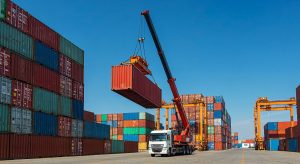
A container arriving in Australia is only one part of the import journey. Importers still need to move goods through customs clearance, unpacking, warehouse intake and domestic distribution before they can serve customers, stores or project sites.
If these steps are planned separately, delays and communication gaps can appear between port release and final delivery. Goods may be cleared but not unpacked, unpacked but not received into inventory or stored but not ready for transport.
A connected workflow helps importers turn international freight into usable stock for customers, stores, project sites or distribution channels. This requires planning the physical movement and the information flow together.
The Workflow from Arrival to Distribution
The post-arrival workflow should connect documentation, physical handling, warehouse control and delivery execution. Each stage should make the next one easier, not create another handoff.
The following workflow shows how import arrival moves into the domestic logistics network.
| Workflow Stage | Importer Requirement | Operational Outcome |
| Arrival and clearance | Accurate documentation and release planning. | Goods can move into the domestic workflow. |
| Container transfer | Coordination between port, carrier and receiving facility. | Reduces delays between release and unpacking. |
| Devanning | Labour, equipment and space for unpacking. | Goods become physically visible and processable. |
| Warehouse intake | Checking, labelling, palletising and storage. | Inventory becomes manageable and dispatch-ready. |
| Domestic distribution | Delivery planning by customer, store, site or project. | Imports move into commercial execution. |
Clearance and Release Set the Timeline
Import logistics and customs clearance affect when goods can move from international arrival into domestic handling. Importers should make sure documentation, release status and receiving arrangements are aligned before the container moves from the port.
Clearance does not automatically make goods operationally ready. It only allows the next step to happen. If the receiving facility, unpacking team or warehouse process is not ready, the importer may still face delays after release.
This is why customs and physical logistics should be planned together. The release timeline should connect with the availability of transport, unpacking space and warehouse capacity.
Container Unpacking Creates Stock Visibility
Container unpacking and devanning services turn sealed freight into checked, sorted and processable goods. This is where importers begin to see what has arrived, what needs attention and what can move into storage or delivery.
Before the container is opened, teams may rely on documents and supplier information. After unpacking, they can confirm quantities, condition, packaging, labelling and destination requirements.
For importers, this visibility is essential because domestic distribution should be planned from confirmed stock, not only from expected stock.
Warehouse Intake Creates Operational Control
3PL warehousing and storage helps importers receive, label, store and manage goods after unpacking. This gives teams better visibility over what is available and what is ready for distribution.
Warehouse intake also creates structure. Goods can be assigned locations, grouped by customer or destination, prepared for picking and held until the correct delivery window.
When intake is skipped or rushed, goods may become difficult to find or allocate. This can slow down customer orders, project deliveries and stock replenishment.
Domestic Delivery Completes the Import Workflow
Transport and last-mile delivery should be planned from confirmed inventory, not from assumptions in shipping documents. When goods are processed correctly during intake, dispatch can be grouped by customer, store, project or site sequence.
Domestic distribution is where the import journey becomes commercially useful. Goods reach customers, retailers, job sites, installation locations or distribution points. The accuracy of this stage depends on what happened during unpacking and warehouse intake.
A connected process reduces the risk of incomplete deliveries, misplaced stock and last-minute changes.
Importers Need One Connected Operating Flow
The strongest import process connects arrival, clearance, unpacking, warehouse intake and domestic distribution. This reduces handoffs and helps goods move into the Australian market with fewer delays.
For importers, the value comes from reducing the gap between international freight arrival and local delivery execution. Each stage should create more visibility and readiness than the stage before it.
When the workflow is connected, the business gains clearer accountability, better planning data and a smoother path from container arrival to customer fulfilment.
Practical Planning Checklist for Importers
A practical way to improve the process is to define responsibilities before freight arrives. Importers, warehouse teams and transport teams should understand what will happen at each stage, who owns the next action and what information needs to be shared. This reduces the chance that goods arrive before the receiving process is ready.
The planning checklist should cover arrival timing, unpacking resources, warehouse intake and domestic dispatch requirements. It should also confirm documentation, contact points, exception reporting, storage availability and the expected timeline from arrival to dispatch. These details are easier to resolve before the container is opened than after freight is already on the warehouse floor.
Importers should also decide what success looks like at the end of the process. For some shipments, success means goods are received into inventory on the same day. For others, it means freight is staged by customer, store, project phase or site location. The plan should match the commercial outcome the shipment needs to support.
When these details are agreed early, the post-arrival process becomes less reactive. Teams can focus on moving goods through the workflow instead of solving preventable issues caused by missing information or poor timing.
This also improves internal communication. Sales, operations, warehouse and delivery teams can work from the same view of what has arrived, what is ready and what still needs action before freight moves downstream.
How a Connected Logistics Partner Supports the Workflow
A connected logistics partner helps align the physical freight movement with the operational information needed to manage it. This is important because imported goods do not become commercially useful until they are visible, organised and ready for the next movement.
By connecting container handling, warehouse intake, storage and delivery planning, businesses can reduce repeated handoffs and make better decisions from confirmed stock readiness. This also gives sales, project and operations teams more confidence when communicating timelines to customers or internal stakeholders.
For importers, the value is not only speed. It is also control. A controlled workflow reduces uncertainty between the moment goods arrive in Australia and the moment they are ready for domestic distribution, customer delivery or project execution.
This is also where logistics can support better business planning. When the receiving process, inventory record and delivery plan are connected, teams can make decisions from confirmed operational status rather than assumptions about what should have arrived.
That visibility is especially valuable when freight supports customer commitments, launch timelines, project schedules or multi-location distribution requirements.
Move Imports from Arrival to Distribution with Greater Control
Snapes supports importers with clearance coordination, container unpacking, warehousing and domestic delivery execution.
By connecting the post-arrival workflow, importers can reduce handoffs and improve stock readiness after goods reach Australia.
Connect with Snapes to plan a post-arrival workflow for your commercial imports.